
Walk & Talk or Outdoor Therapy
Open green spaces give you the freedom to express yourself in a less restrictive and more dynamic way than a traditional counselling room.
You can choose to have your therapy sessions outdoors at either Rowntree Park in York city centre or Askham Bog Nature Reserve just off the A64 near Askham Bar.

Ideal if you are not exactly neurotypical
Walking side-by-side naturally reduces the need for eye contact which can be a huge relief if you associate a closed room with feeling intimidated, trapped, or judged
Mental Flexibility
Movement is a natural catalyst for change. The rhythmic motion of walking helps engage your brain and that helps with cognitive processing and problem-solving
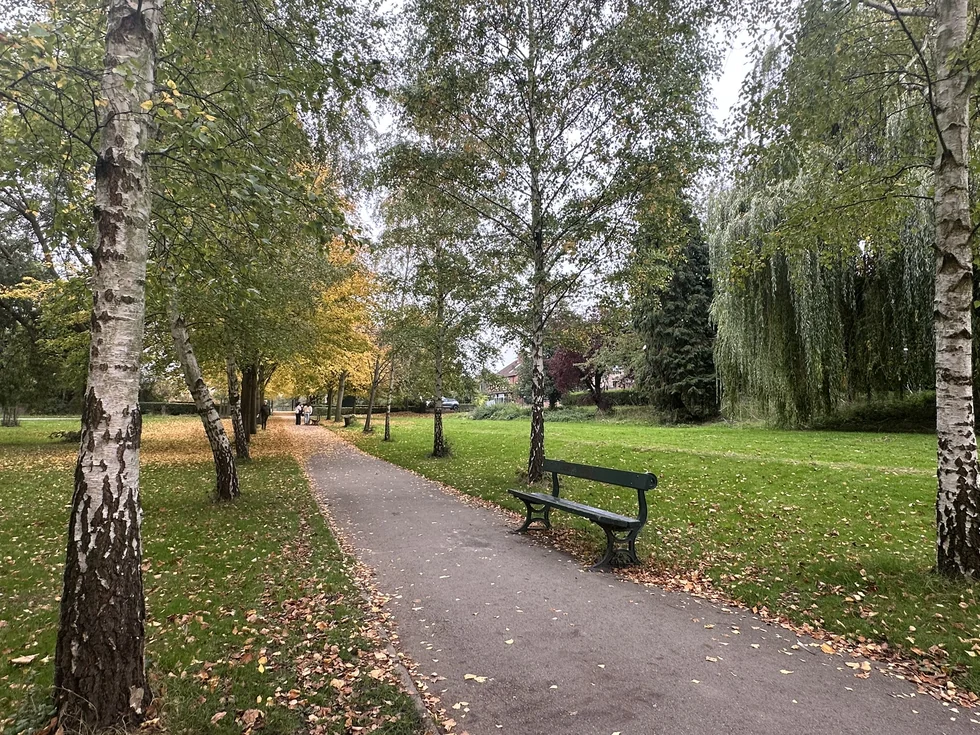
Walking outdoors can be magical time and just like counselling, the changing seasons reflect stages of transition.
Be heard. Be understood. Be valued.
Be heard.
Be understood.
Be valued.
Positive effects
There are many positive effects of combining movement and therapy. Just being in an open green space creates the freedom you need to express yourself, to feel less stuck and start to find your own way forwards. Of course physical movement also increases blood flow to your brain and this supports mental flexibility.
Often neurodivergent people find this less formal setting is a big relief, especially if you associate a closed room with being interviewed, feeling intimidated, trapped or judged. Walking side-by-side naturally reduces the need for eye contact so you can feel less self-conscious. It also feels much more collaborative, so while you benefit from the security offered by the structure of the counselling session, you also feel more relaxed
Long history
Walk and talk became popular during the pandemic but the belief that walking helps cognitive processing has been around for a while. The Ancient Greek philosopher Aristotle and his friends walked and talked in the Lyceum and there is also a Latin proverb “solvitur ambulando’’ (meaning it is solved by walking). Sigmund Freud, the father of psychoanalysis, engaged in walk and talk therapy on the streets of nineteenth century Vienna and psychotherapists were practicing in Central Park, New York in the early 2000s.
Park life
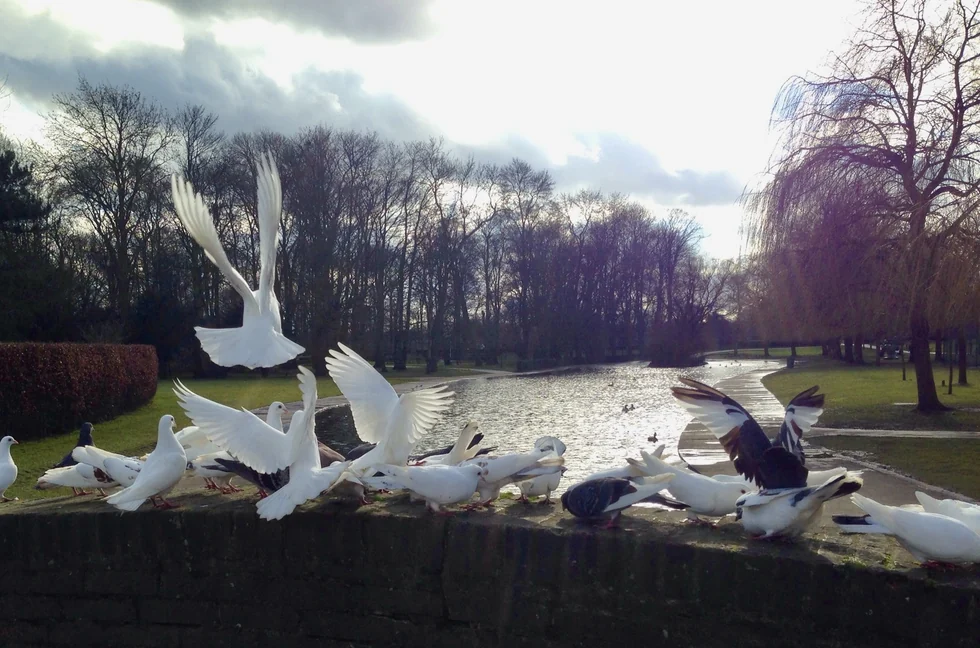
Parks and nature reserves are full of life; birds, insects, mammals, plants and trees that offer a rich source of analogy to the walker. By watching the ducks for example you may notice that one is separated from the main flock and this can become an seamless way to explore feelings of isolation, difference or vulnerability.
Walking the footpath together is like therapy. You are following a path, you are not alone on your journey, you discover possibilities for change and find a way through.
A good walk or even a leisurely wander improves your mood and certainly increases your daily step count!
the path to progress often begins with a single step…
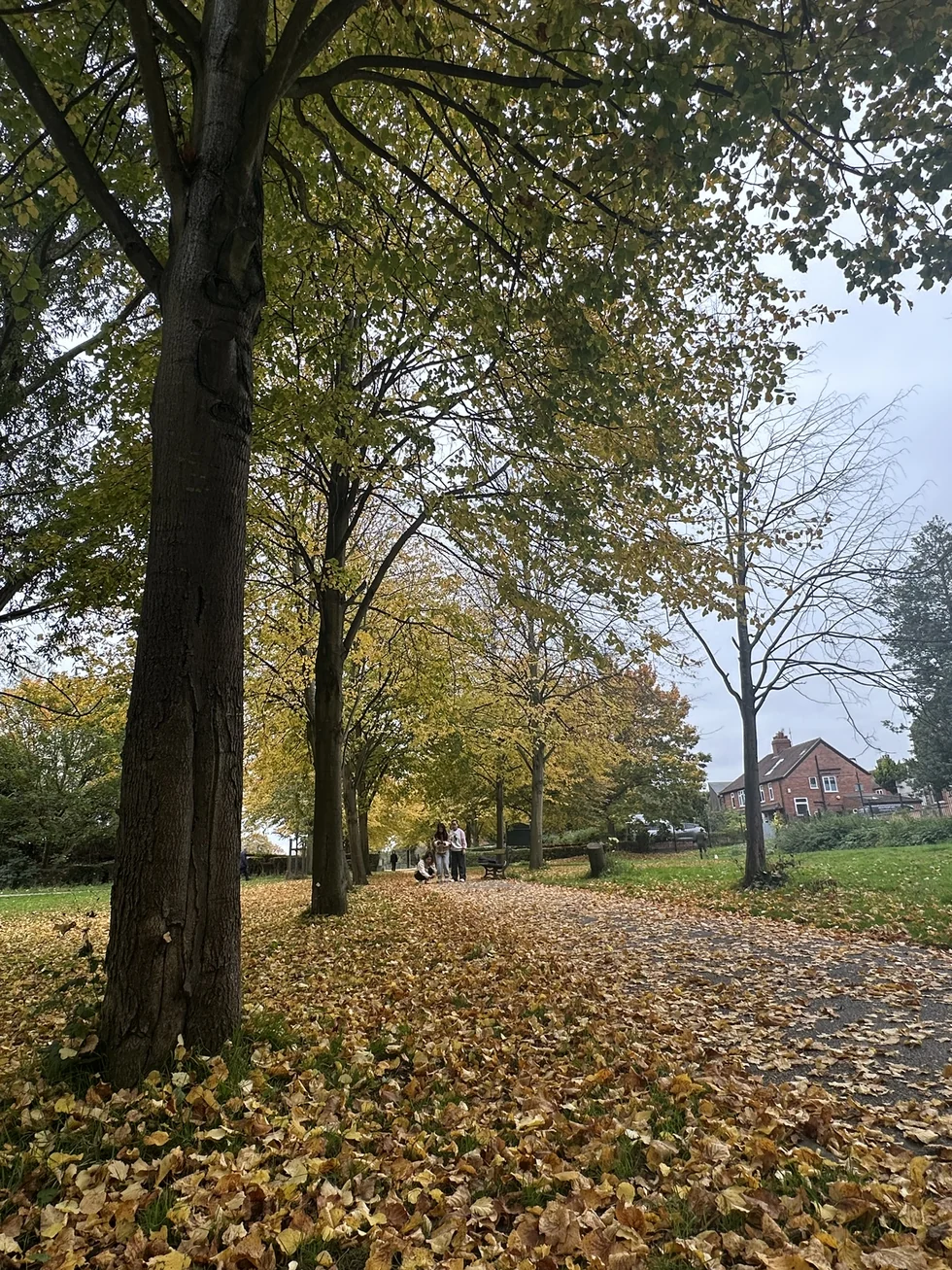
Rowntree Park in autumn

The Road goes ever on and on,
Down from the door where it began.
Now far ahead the Road has gone,
And I must follow, if I can,
Pursuing it with eager feet,
Until it joins some larger way
Where many paths and errands meet.
And whither then? I cannot say.
JRR Tolkien
the path to progress often begins with a single step…
Let's talk
I want to offer you a free Discovery Call.
Enjoy a relaxed and informal 20-minute chat that mirrors a counselling session, without actually doing any counselling.
Let’s discuss your needs and how I can meet them.
There is no ongoing commitment but you get enough information to make an informed choice.
Outdoor Therapy Locations
Rowntree Park
Rowntree Park is a 20-acre public park near the centre of York. It is very accessible. There is a pay and display car park on Terry Avenue with two dedicated Blue Badge bays. The Rowntree Park Reading Cafe has accessible toilets.
Askham Bog
Askham Bog is a small, peaceful wetland and woodland nature reserve on the south-west edge of York, looked after by Yorkshire Wildlife Trust. It’s onTadcaster Road (A1036) just off the A64 with a free car park at the entrance. By bus, the nearest stop is Askham Bar Park and Ride, about a 15-minute walk away. There are no toilets on site but there are toilets at Askham Bar Park and Ride, about five minutes’ drive away. Visitors follow a circular recently refurbished boardwalk through the reserve and entry is free. It takes around 20 minutes to do one circuit and there are plently of benches along the way.
Last thought
The psychologist Francine Shapiro made an amazing breakthrough while walking in a park. She noticed that her own distressing thoughts became less intense as she walked and her eyes tracked objects in the environment, like birds and mammals. She developed this idea into EMDR, the therapy that uses directed eye movements to reduce trauma.